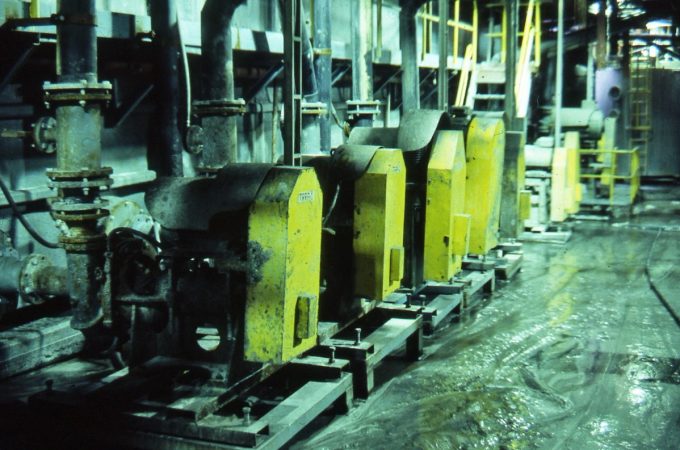


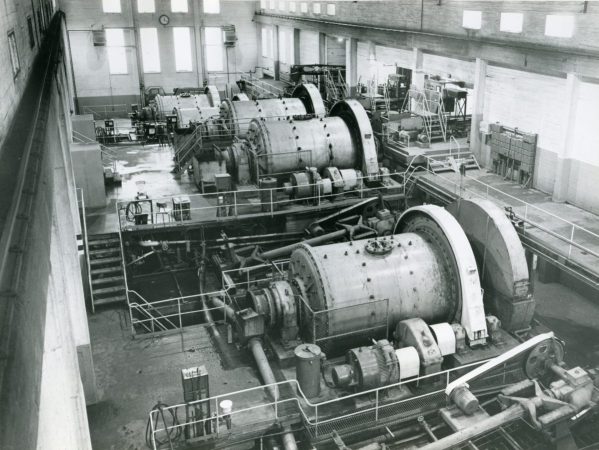
Mills are used for grinding. There are many types of mills. The most commonly used are ball mills, rod mills and autogenous mills. They are named according to their operating principles: metal balls are used to grind ore in ball mills, metal rods in rod mills, and larger pieces of ore grind each other in autogenous mills.
The classification determines which parts of the sludge are fine enough to continue in the process and which need to be returned to the mill for further grinding. The classification is based either on centrifugal force or the time in which smaller pieces of ore sink in the sludge.
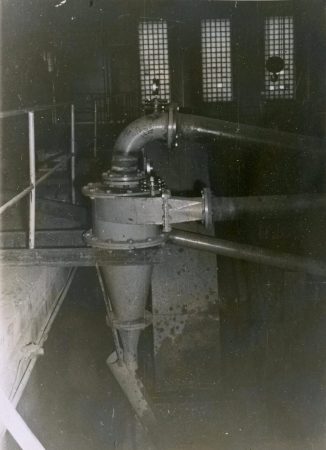
You can see three different classifiers in the exhibition. The screw classifier and the rake classifier are based on the sinking speed of the pieces of ore and the hydrocyclone classifier operates by centrifugal force.
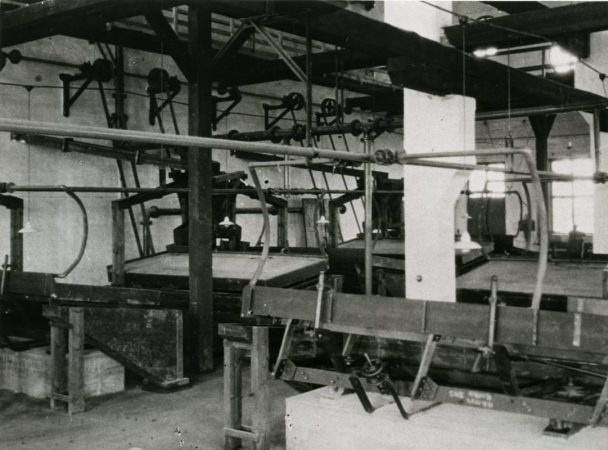
Tabling is a mineral processing method, in which an inclined and longitudinally grooved shaking table is used for separation. Tabling is based on the specific gravity of different minerals. The longitudinal back-and-forth shaking motion separates the mineral particles into concentrate, tailings and intermediate product.
At the conditioning phase, the chemicals required for flotation are added into the classified ore sludge. The purpose of the chemicals used in flotation is to affect mineral surfaces or promote foam formation.
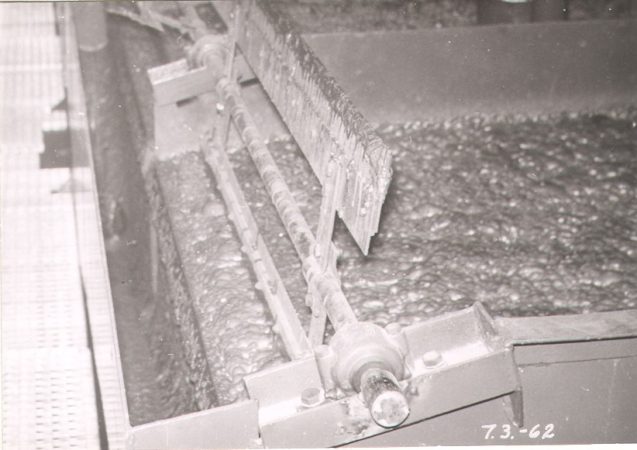
Flotation is a method applied after ore extraction and grinding to separate valuable minerals from other minerals. In flotation, chemicals cause certain minerals to attach to air bubbles created in the sludge and rise to the surface (concentrate), while the remaining minerals do not (waste rock). For example, when the pH of the sludge is above 10, copper pyrite granules are attached to air bubbles using a xanthate chemical and rise to the surface of the sludge. In flotation, all those minerals with a naturally hydrophobic surface or that can be made water-repellent or hydrophobic can be separated. Correspondingly, the surfaces of other (undesired) minerals must be hydrophilic.
Thickening is the first stage in separating water from the concentrate. In the ore dressing and beneficiation process, the concentrate sludge from the flotation is fed to the center of a large thickening tank cast in concrete. In thickening, the concentrate sludge is sorted into two products. The water in the sludge rises to the surface. It is almost free of solids and exits the tank via the overflow edge. The mass that sinks to the bottom of the tank consists of the solid substance in the concentrate sludge, meaning the valuable ore granules. The valuable thickened mass is transferred with rakes towards the central cone at the bottom of the tank, from where it is pumped to the next stage of the concentration process, filtration.
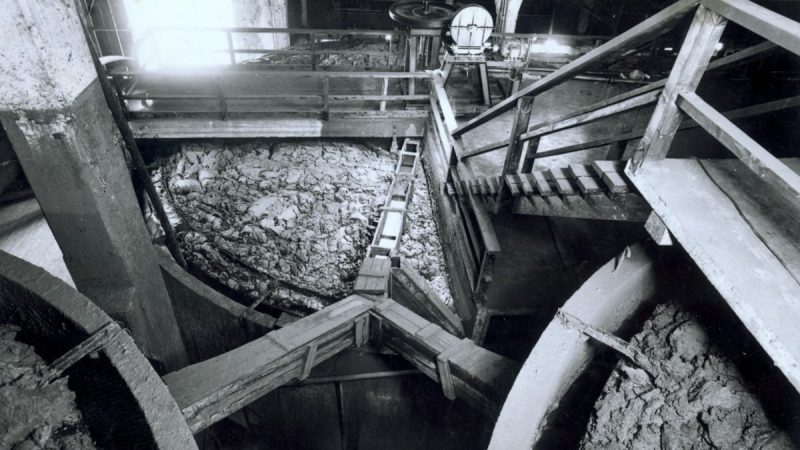
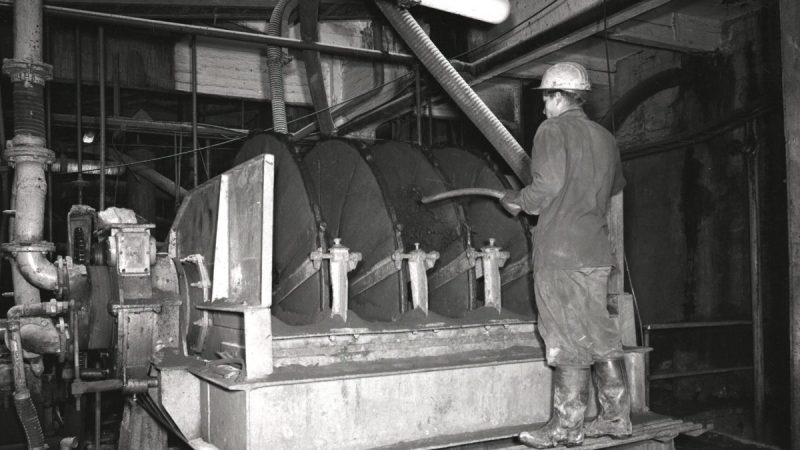
Filtration removes water from the concentrate. Removing water from the concentrate is important so that water does not have to be transported with the concentrate, increasing transportation costs. In Finland, water is also removed to prevent the concentrate from freezing during transport. Some of the removed water can also be recycled back into the process.
In the drying phase, heat is used to reduce, or entirely remove the moisture from the concentrate.
A rotary dryer is the most common drying device used to dry concentrates. It includes a slowly rotating cylindrical drum, a furnace, a feed chute, a drain chute for the dried product, and exhaust gas pipes for conducting combustion gases and water vapor to the outside air.
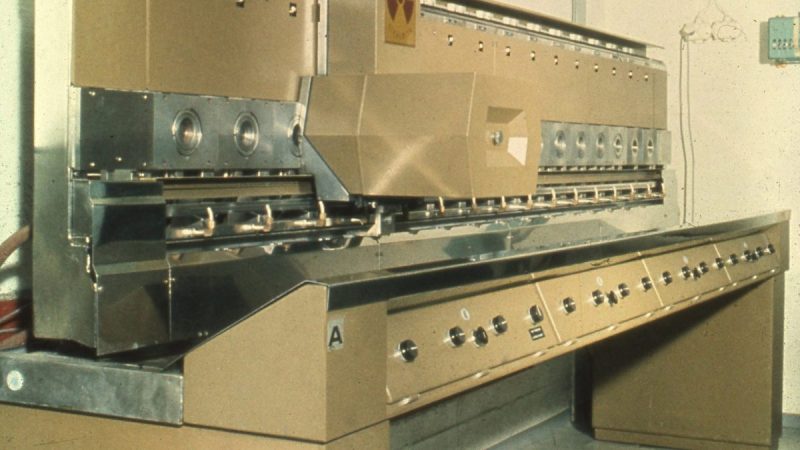
At first, the process adjustment of the concentration plant took place during the process. The employees made the adjustments according to their own experience, so the overall picture of the process was fragmented. When all start-up and control functions were grouped together in the same space (the control room), the process could be monitored and controlled based on the whole process using measuring devices and cameras.